One of the most interesting things about Reiki is how strongly some people respond to it.
Some people leave a session feeling deeply relaxed. Others say they sleep better, cry unexpectedly, or feel emotionally lighter afterward.
And some people feel very little at all.
So why do Reiki experiences vary so much?
The honest answer is that nobody fully knows.
But there are several possible explanations that may help make sense of why Reiki feels meaningful for many people.
The Nervous System May Play a Big Role
Modern life keeps many people in a constant stress state.
Work pressure, financial stress, grief, caregiving, social media, and emotional overload can leave the nervous system stuck in “fight or flight” mode.
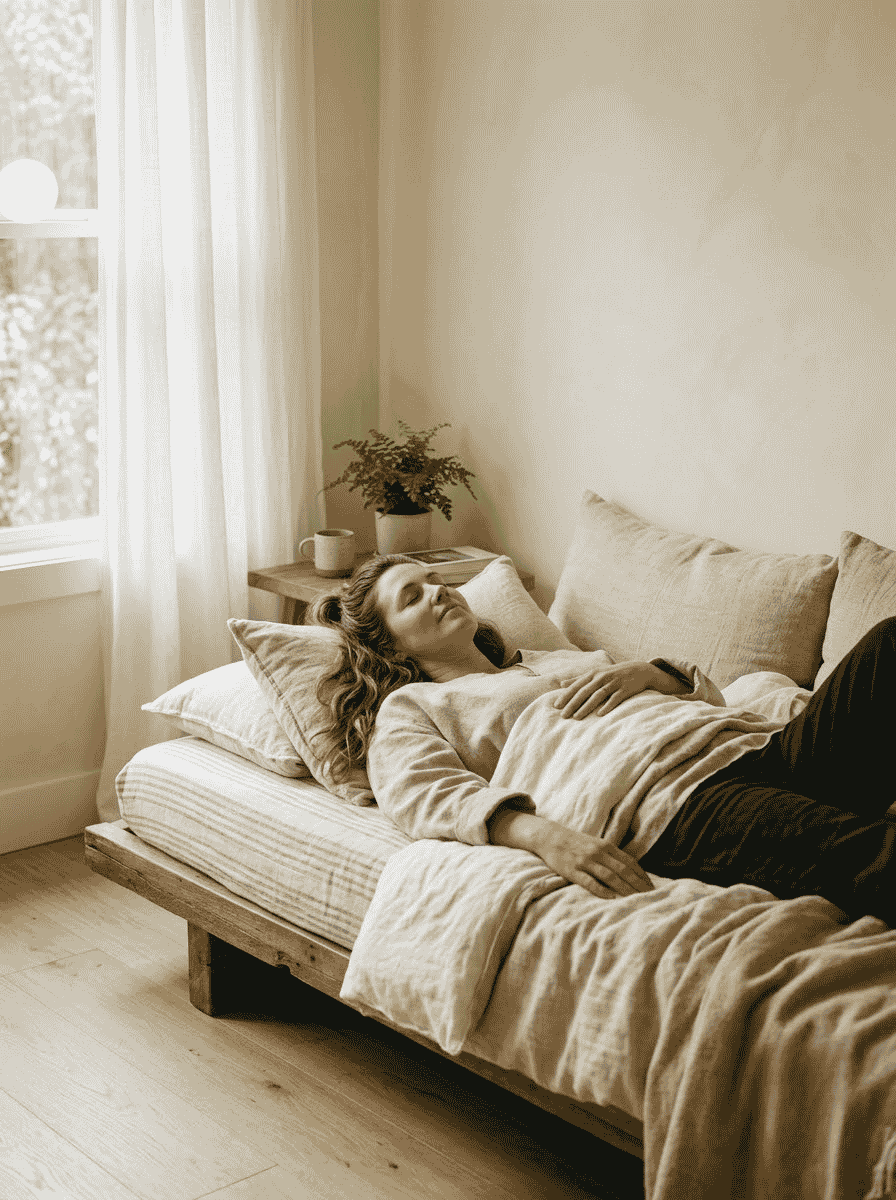
Reiki sessions often create conditions that encourage the body to slow down:
• quiet
• stillness
• focused attention
• slower breathing
• physical rest
For many people, that alone can feel powerful.
Some clients describe Reiki as the first time in weeks they truly relaxed.
Feeling Supported Matters More Than People Think
Many wellness experiences are not only about technique. They are also about feeling emotionally safe and cared for.
During Reiki, clients often receive:
• uninterrupted attention
• calm presence
• quiet support
• gentle care
That experience can affect emotional well-being in important ways.
Even science recognizes that connection, care, and emotional safety can influence stress levels and physical tension.
Why Some People Become Emotional
It’s common for people to feel emotional during or after Reiki sessions.
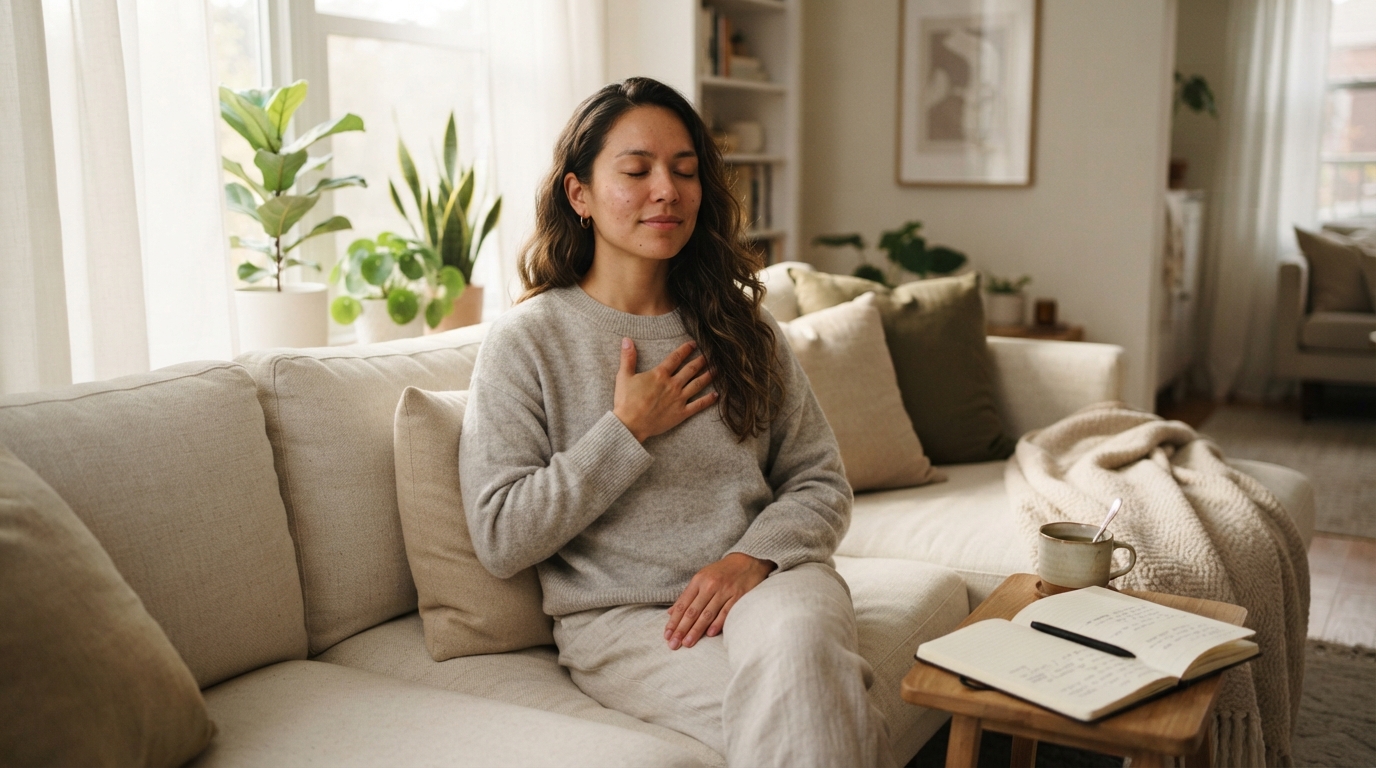
Sometimes emotions rise because the body finally feels safe enough to relax. Sometimes people simply have space to notice feelings they have been pushing aside.
That does not mean Reiki is “magic.” It may simply mean the person slowed down enough to reconnect with themselves.
Many people today spend very little time resting quietly without distraction.
Could Expectation and Belief Affect Results?
Yes — and researchers openly discuss this.
If someone expects a session to help them feel calmer, that expectation alone may influence their experience.
This is sometimes called the placebo effect or meaning response.
But placebo effects are real experiences. The body and mind often respond to expectation, environment, and care.
That is why many researchers believe Reiki outcomes may involve several overlapping factors instead of one simple explanation.
What About Energy Healing?
This is where opinions often divide.
Many Reiki practitioners believe they are working with energy fields that science does not yet fully understand.
Skeptics disagree and say there is currently no strong scientific proof for energy-based explanations. Right now, science has not confirmed the traditional Reiki energy model.
But many clients still feel that something meaningful happens during sessions, even if they cannot fully explain it.
Why Experiences Differ From Person to Person
Not everyone responds to Reiki the same way.
Some people feel:
• deeply calm
• emotionally lighter
• mentally clearer
• more grounded
Others feel neutral or uncertain.
That variation is normal.
Stress levels, personality, expectations, emotional state, and overall health may all affect how someone experiences a session.
What About Distance Reiki?
Distance Reiki is one of the most debated parts of Reiki practice.
Some people report feeling similar effects during remote sessions as they do during in-person sessions. Others remain skeptical.
Research on distance Reiki is still limited and mixed.
Still, remote sessions may offer practical benefits for people who:
• live in rural areas
• have mobility challenges
• want privacy
• prefer support from home
Even without a scientific explanation, many people appreciate having intentional quiet time built into their week.
A Healthy Way to Explore Reiki
If you’re curious about Reiki, it helps to approach it with balance.
You do not need blind belief. You also do not need complete certainty before trying something new. A good approach is to:
• stay open-minded
• keep realistic expectations
• track how you actually feel
• continue medical or mental health support when needed
You can also treat Reiki as an experiment.
Notice changes in:
• stress
• sleep
• emotional balance
• tension levels
• overall well-being
Then decide whether it feels helpful for you personally.
Final Thoughts
Reiki may not have all the scientific answers yet. But many people still find comfort, calm, and emotional support through the experience.
For some people, Reiki becomes part of a larger self-care practice that includes therapy, rest, mindfulness, medical support, and emotional healing.
And for others, it simply offers a peaceful hour to slow down in a very busy world.
If you’d like to explore Reiki in a grounded and supportive setting, Willow Whispers offers distance Reiki sessions, intuitive support, and access to carefully vetted advisors.