If you’ve ever wondered whether Reiki is real, you’re not alone.
Some people swear by it. Others feel skeptical. And many people sit somewhere in the middle — curious, but cautious.
That makes sense.
Reiki sits in an unusual space between wellness, spirituality, and science. Some people see it as energy healing. Others see it as a calming wellness practice. And researchers are still trying to understand what benefits may come from it.
At Willow Whispers, Reiki and energy healing are part of our work. But this article is not about convincing you to believe anything. It’s about offering a grounded and honest look at what we know so far.
What Is Reiki?
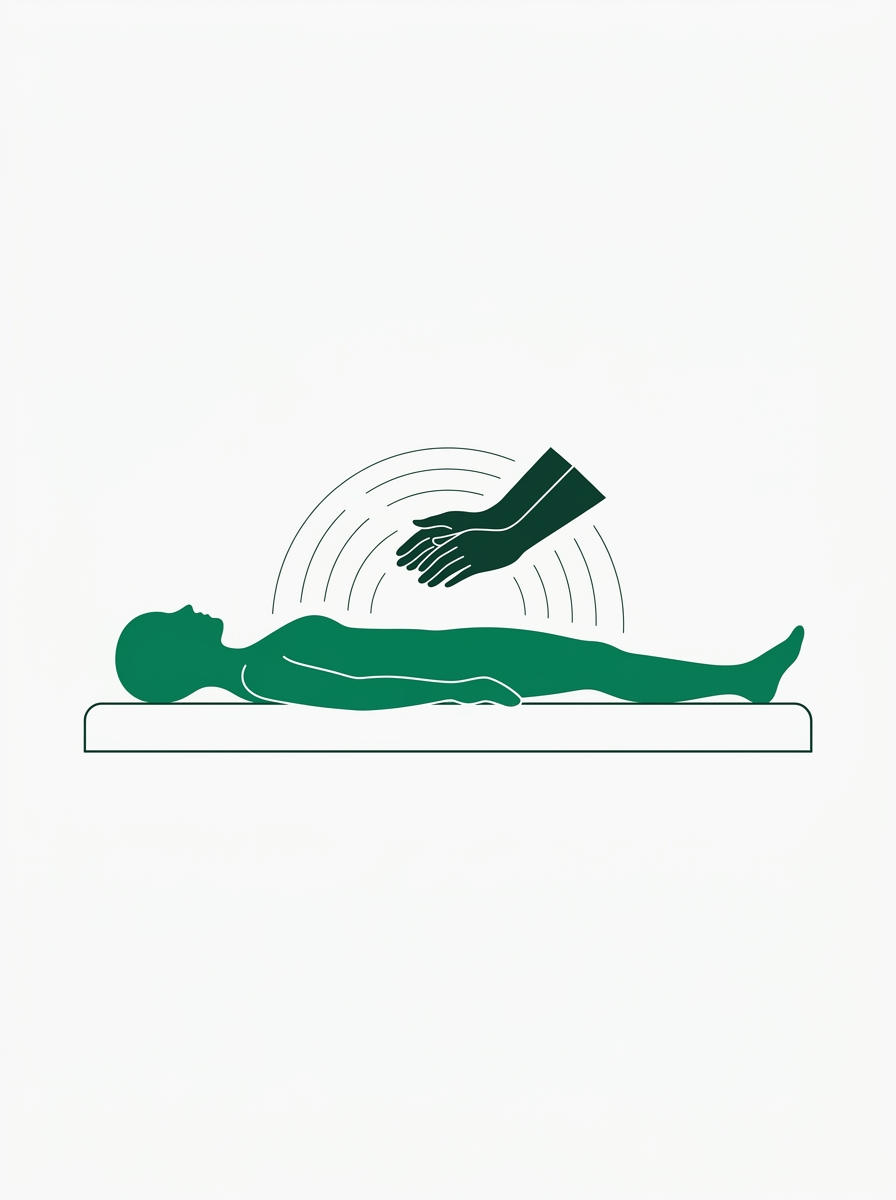
Reiki is a wellness practice that began in Japan in the early 1900s. During a session, a practitioner places their hands lightly on or above the body while the client rests quietly.
Most sessions last between 30 and 60 minutes.
People often describe Reiki sessions as calming, peaceful, or emotionally soothing. Some people feel warmth or deep relaxation. Others simply enjoy having quiet time to slow down and reset.
Reiki is often used alongside other forms of support, including therapy, medical care, meditation, or stress management practices.
What Reiki Is Not
It’s important to keep realistic expectations.
Reiki is not:
• a replacement for medical treatment
• a guaranteed cure
• proven to heal serious illness
• equally effective for everyone
The U.S. National Center for Complementary and Integrative Health (NCCIH) says there is still limited scientific evidence showing Reiki works for specific medical conditions.
That may sound disappointing, but it’s important to be honest about where the research currently stands.
What Does Research Say About Reiki?
The short answer is this: research shows some promising results, especially around stress and anxiety, but the evidence is still mixed.
Some studies suggest Reiki may help people feel calmer, less anxious, or more emotionally balanced. But researchers also say many studies are small or difficult to compare.
For example, a 2024 review that included over 800 adults found signs that Reiki may help reduce anxiety. Other reviews have found possible benefits for stress, emotional well-being, and pain support.
At the same time, scientists still want larger and better-designed studies before making strong medical claims.
So right now, Reiki sits in a middle space:
• not fully proven
• but not fully dismissed either
Why Is Reiki Hard to Study?
One reason is that Reiki research is difficult to measure in the same way as medication studies. For example:
• people respond differently to sessions
• some studies use one session while others use several
• relaxation and human connection may affect results
• expectations can influence how people feel afterward
That makes it harder for researchers to separate Reiki itself from the calming experience around it.
Still, many researchers agree that stress reduction and nervous system support deserve serious attention.
Is Reiki Just Placebo?
This is one of the biggest questions people ask.
Some scientists believe the benefits of Reiki may partly come from placebo effects, relaxation, focused attention, or the calming setting itself.
But that does not automatically mean the experience has no value.
If someone leaves a session feeling calmer, sleeping better, or feeling emotionally lighter, those changes still matter in daily life.
Several things may work together during a Reiki session:
• rest
• quiet
• human connection
• nervous system calming
• expectation
• emotional support
And some people believe there may also be energy-based effects that science does not yet fully understand.
Where Reiki May Help Most
The strongest support for Reiki right now is around:
• stress relief
• anxiety support
• emotional calming
• relaxation
These are common struggles today.
Many adults are balancing work pressure, caregiving, grief, burnout, and emotional exhaustion. For some people, Reiki becomes a quiet space to slow down and reconnect with themselves.

People often report:
• sleeping better
• feeling less emotionally reactive
• having less body tension
• feeling mentally clearer
These are personal experiences, not scientific proof. But they are still meaningful to many people.
A Balanced Way to Approach Reiki
You do not have to believe every spiritual claim to explore Reiki.
A grounded approach is often best:
• keep medical care in place
• stay curious but realistic
• notice how you actually feel
• avoid practitioners who promise miracles
Good practitioners should speak honestly about limits and encourage healthy boundaries.
So, Is Reiki Real?
That depends on how someone defines “real.”
If “real” means fully proven by large medical studies, Reiki is not there yet.
But if “real” means that some people genuinely feel calmer, more supported, and less stressed after sessions, then many people would say yes.
Both things can be true at the same time.
If you’re curious about Reiki, the most helpful approach may be openness mixed with healthy discernment.
You can explore the experience without giving up critical thinking.